

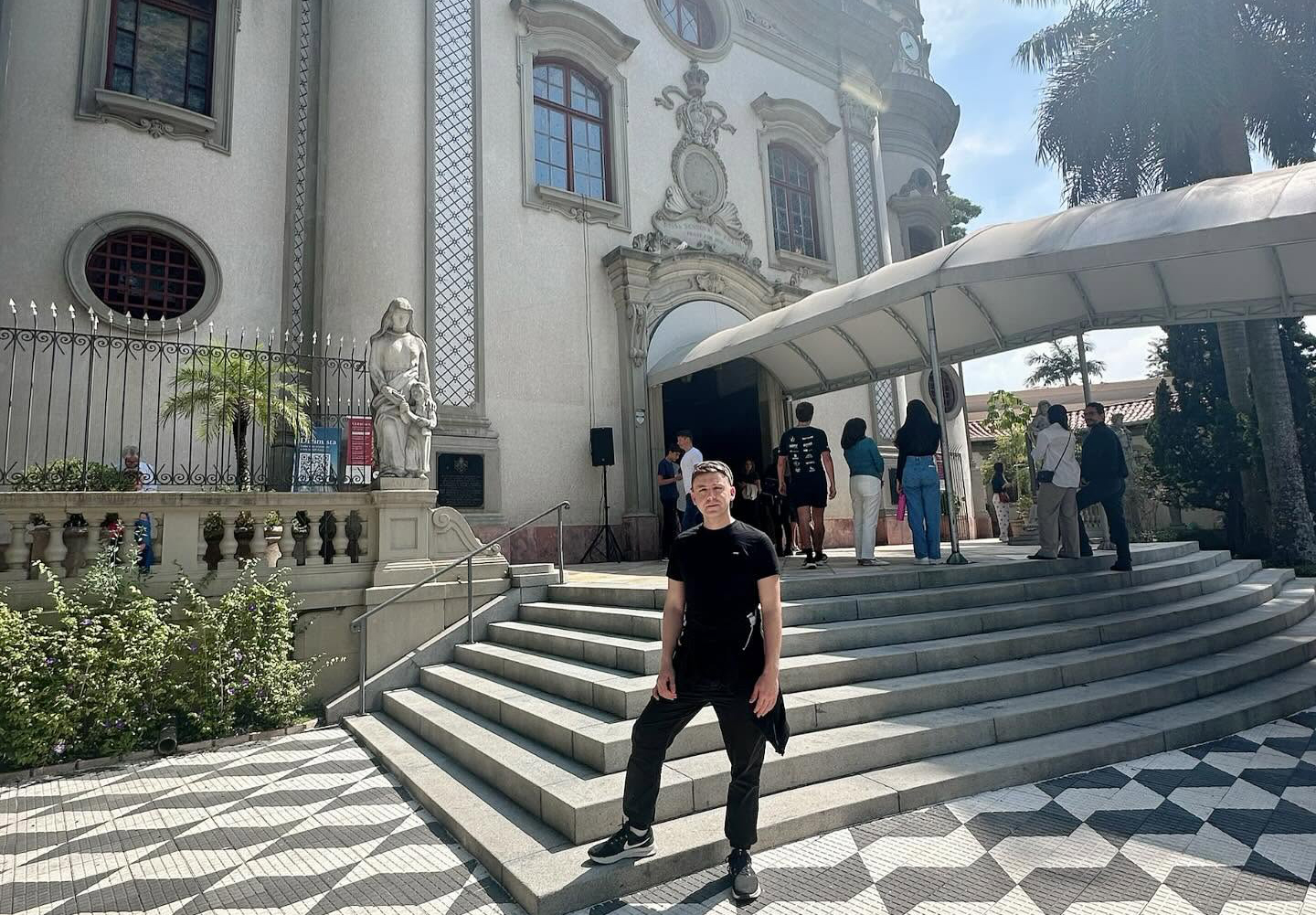
Leaving behind the mystical and historic streets of Morocco to cross the Atlantic and step into South America’s largest metropolis was bound to be a culture shock. But São Paulo goes beyond prediction; it is a massive, living organism that shakes you from the very first moment with its stark contrasts.
Here is my São Paulo diary packed into just a few days, spanning from sleepless nights to mesmerizing flavors, and from deep socio economic observations to immigration history…
Night One: The Restless Reality of Consolação
For my first night in São Paulo, I stayed in Consolação, an area quite close to the city center. The moment I arrived, Latin America’s ruthless socio economic divide hit me right in the face.
Due to deep socio-economic inequalities and skyrocketing housing costs, a massive population deprived of the right to housing lives on the streets in this area. Armed police checkpoints stationed at every corner, visible drug use, and the constant tension of street crime create a heavy atmosphere. That first night, sleeping was practically impossible due to the endless noise outside and the sheer urge to watch the events unfolding right beneath my window. São Paulo taught me its first lesson through harsh reality.
Morning’s Reward: The Magic of Pão de Queijo and Brazilian Butter
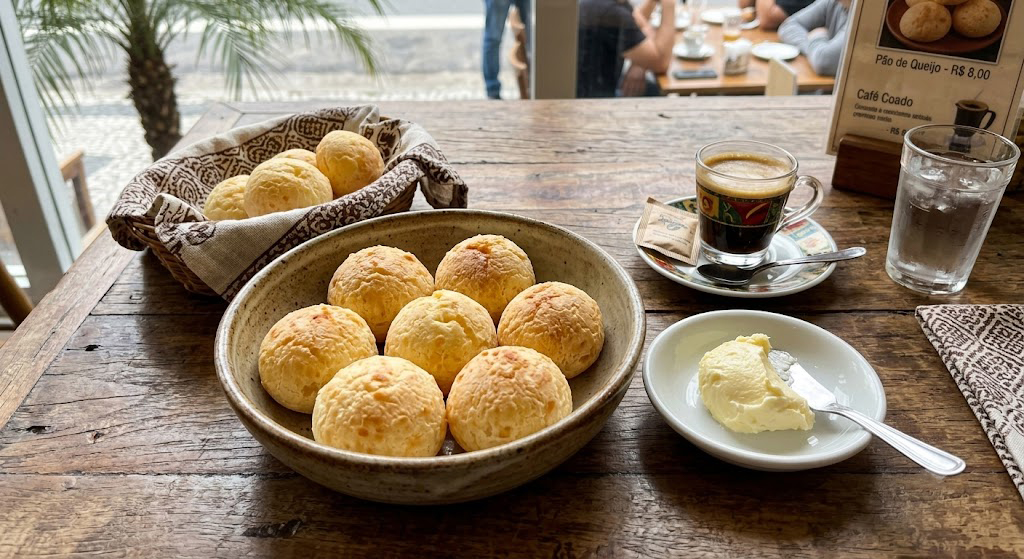
After a tense, sleepless night, my consolation and the reason I instantly fell in love with the city came in the form of an incredibly mesmerizing Brazilian breakfast.
This was my first time tasting Brazil’s natural, rich, and incredibly delicious butter. But the real showstopper was Pão de Queijo those famous round cheese bread rolls that are soft on the inside and perfectly crispy on the outside. The pairing of that exquisite butter melting inside a warm cheese roll was so insanely delicious that I honestly lost count of how many I ate! That single breakfast made me forget all the exhaustion of the night before.
The Two Faces of the City and Surprise Events

Fueled by that breakfast energy, I hit the streets and encountered a completely different side of São Paulo. As I explored the city center, I truly understood why this place is considered a global metropolis.
The grand avenues, impressive architecture, and breathtaking parks rising like oases among the skyscrapers suddenly make you think, “Wow, people could really live here.”
Moreover, life in the city moves at an incredibly fast and diverse pace. In just one single day, I managed to:
- Visit historic churches and marvel at their architecture,
- Browse art exhibitions to soak in the city’s intellectual side,
- And unexpectedly find myself watching a highly energetic modified car competition!
A Japanese Neighborhood in São Paulo? Decoding Brazil’s Demographics
One of the most surprising discoveries of my trip was meeting Portuguese-speaking Japanese people. As it turns out, there are about 2 million people of Japanese descent living in Brazil!
Digging into the history behind this connection absolutely fascinated me:
- The Beginning of Migration (1908): It all started when the ship Kasato Maru docked at the Port of Santos, carrying families fleeing poverty in Japan to fulfill the labor demands of Brazil’s coffee plantations.
- The Return Migration (1980s): After the 1980s, many Brazilian-Japanese returned to Japan for economic reasons (known as the Dekasegi). However, the culture they left behind is so deeply rooted that running into fully “Brazilianized” Japanese people speaking fluent Portuguese is just a regular part of daily life in São Paulo today.
The Colorful Mosaic of Brazil’s Population
Through this experience, I also learned about Brazil’s massive demographic structure, which is officially divided into 5 main groups based on skin color and self-declaration. The country is a true genetic melting pot:
| Group | Percentage | Origin / Description |
| Multiracial (Pardo) | 45% | A mix of European, African, and Indigenous ancestry (The largest group). |
| White (Branco) | 43% | Chiefly of Portuguese, Italian, and German descent. |
| Black (Preto) | 10% | Afro-Brazilians. |
| Asian (Amarelo) | 1% | The vast majority being Japanese-Brazilians. |
| Indigenous (Indígenas) | 0.6% | The native peoples of the Amazon, divided into over 300 distinct tribes. |
Farewell and Future Plans
Leaving the country after this brief but intense glimpse of São Paulo, I left behind a massive sense of curiosity. Yes, the contrasts on the streets are startling, and yes, the sociological divide is painful to witness; but the people, the flavors, and the cultural diversity are equally captivating.
I am already dreaming of the day I will return. Next time, I won’t just stick to the big cities I cannot wait to come back and explore every single street, countryside town, and village of Brazil!
Até logo, Brasil! (See you soon, Brazil!)
 English
  Turkish
  Spanish
  German
  French
  Russian
  Vietnamese
  Thai
Thai  Korean
  Japanese
  Kurdish
  Chinese
Tebrikler