

My first stop was the Natural History Museum in Vienna and honestly, the grand staircase and ceiling decorations hit you the moment you walk in. The building dates back to the 19th century, built during the Habsburg era, so feeling like you’ve stepped into a palace rather than a museum makes complete sense.
But the real magic starts inside.
The collection holds over 30 million objects. What you actually see is just the tip of the iceberg. And this isn’t just a place tourists wander through it’s an active research center. So the museum isn’t only preserving the past; science is still being made here.
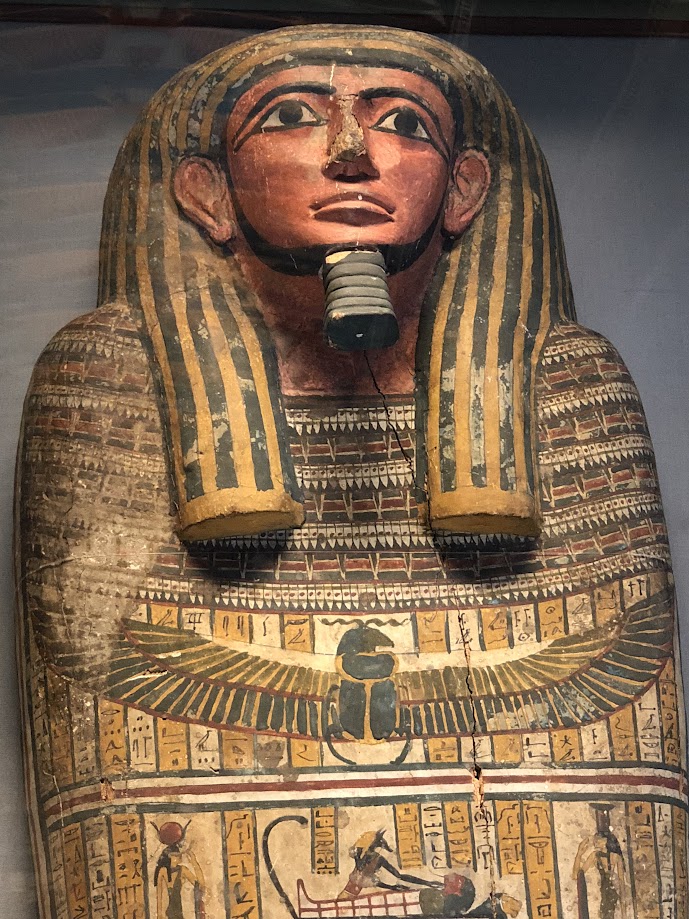
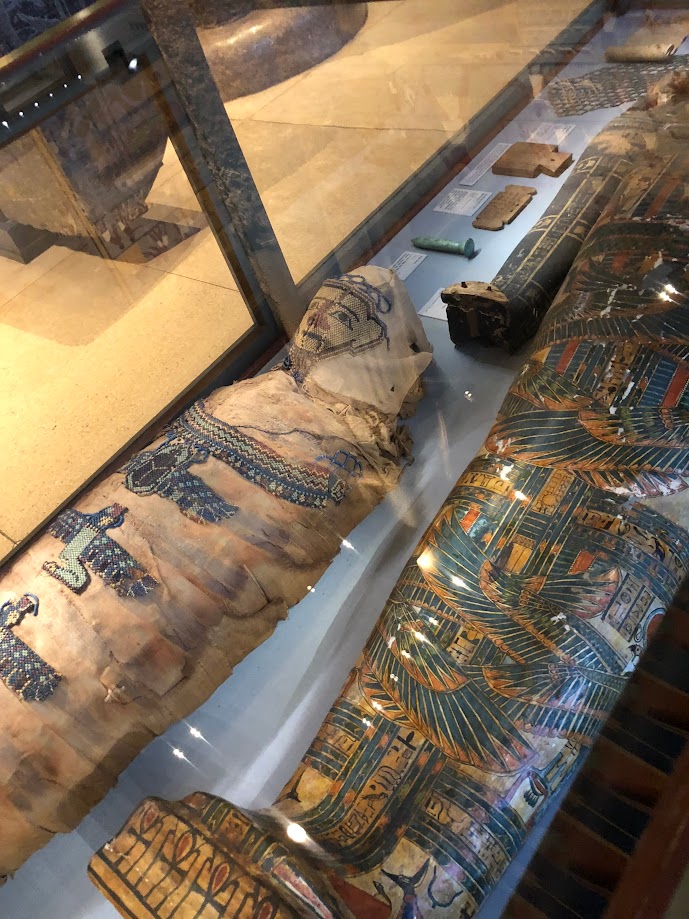
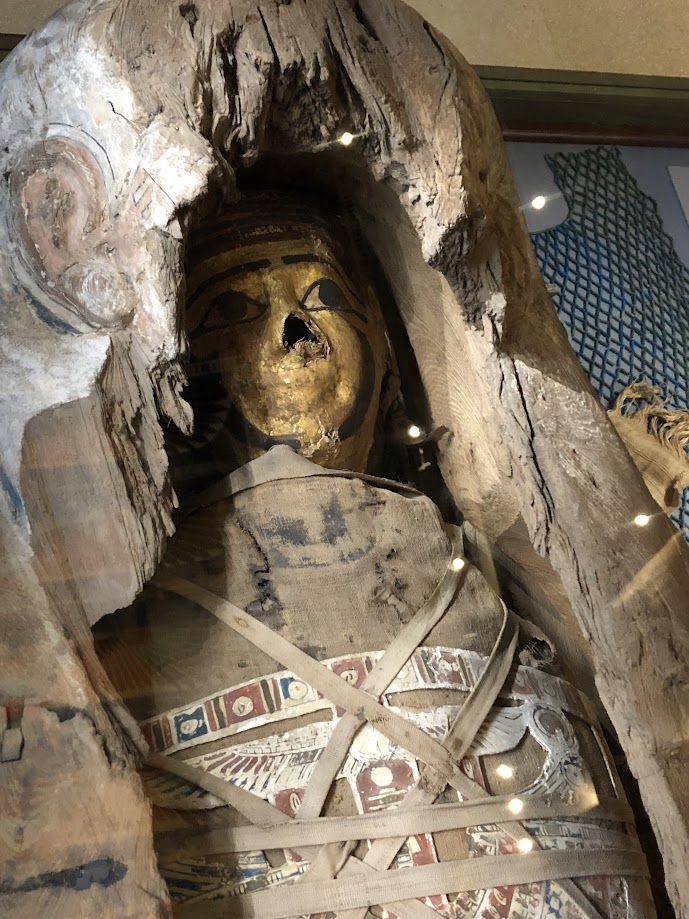
The mummies brought from ancient Egypt are genuinely thousands of years old. It’s not just the bodies on display the tools used in the mummification process and the sarcophagi are there too. It feels like an entire story from that era has been carefully passed down to you.
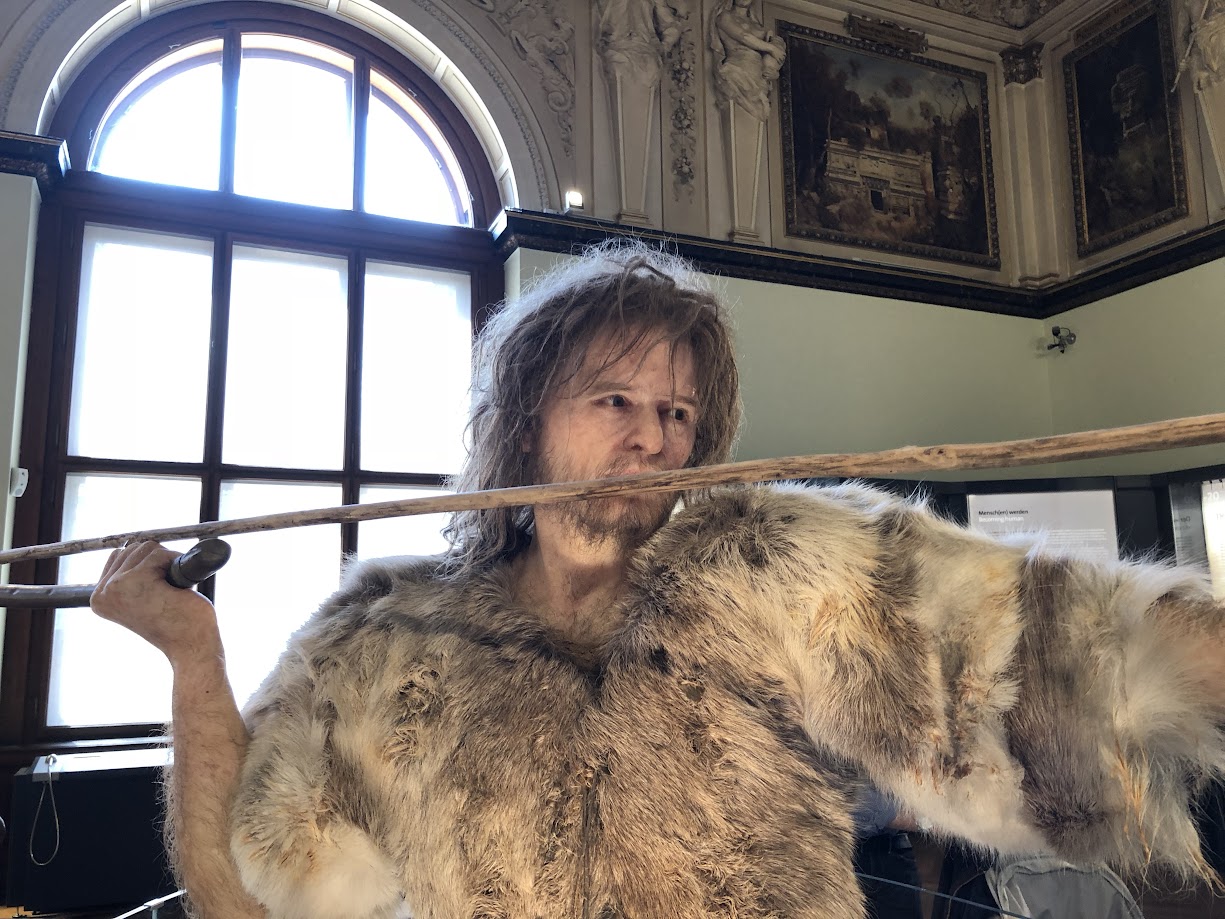
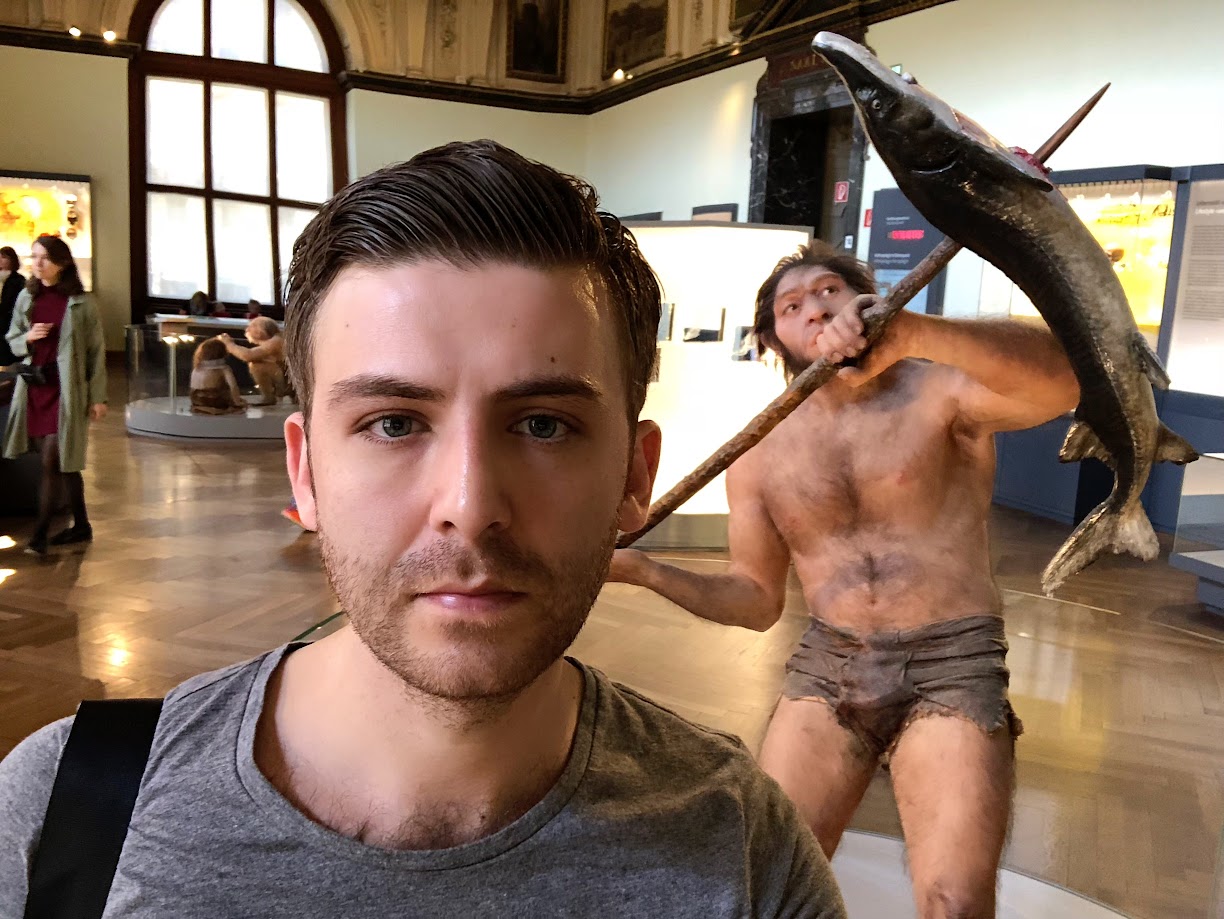
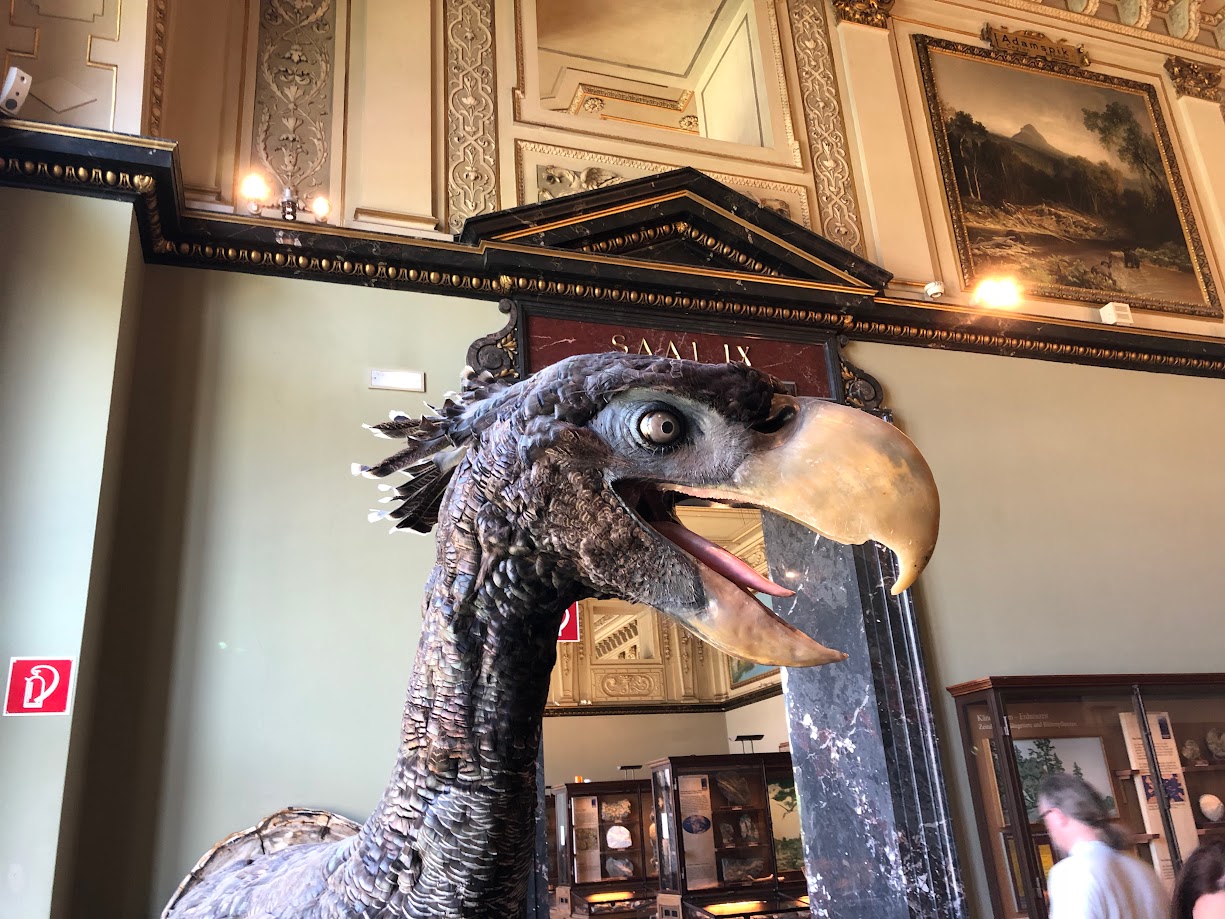
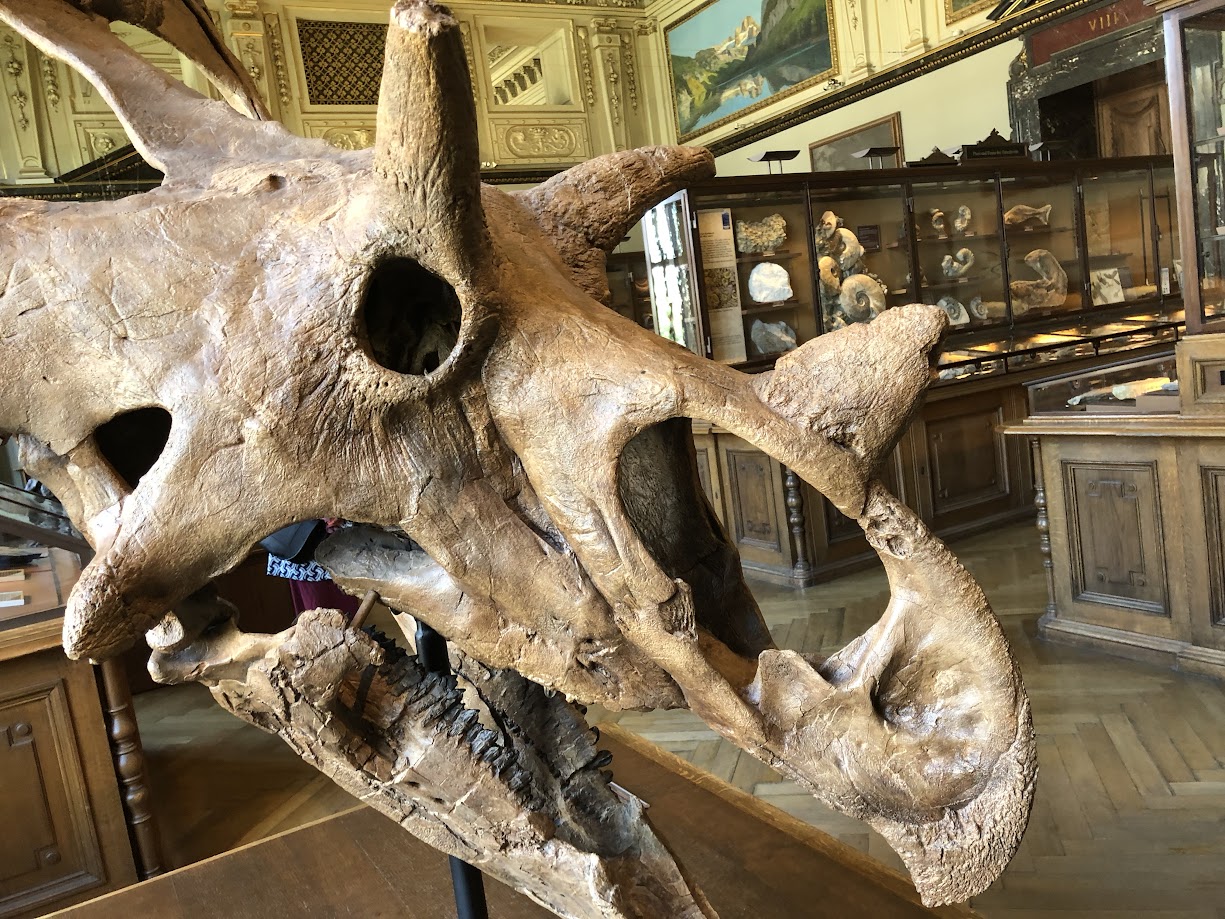
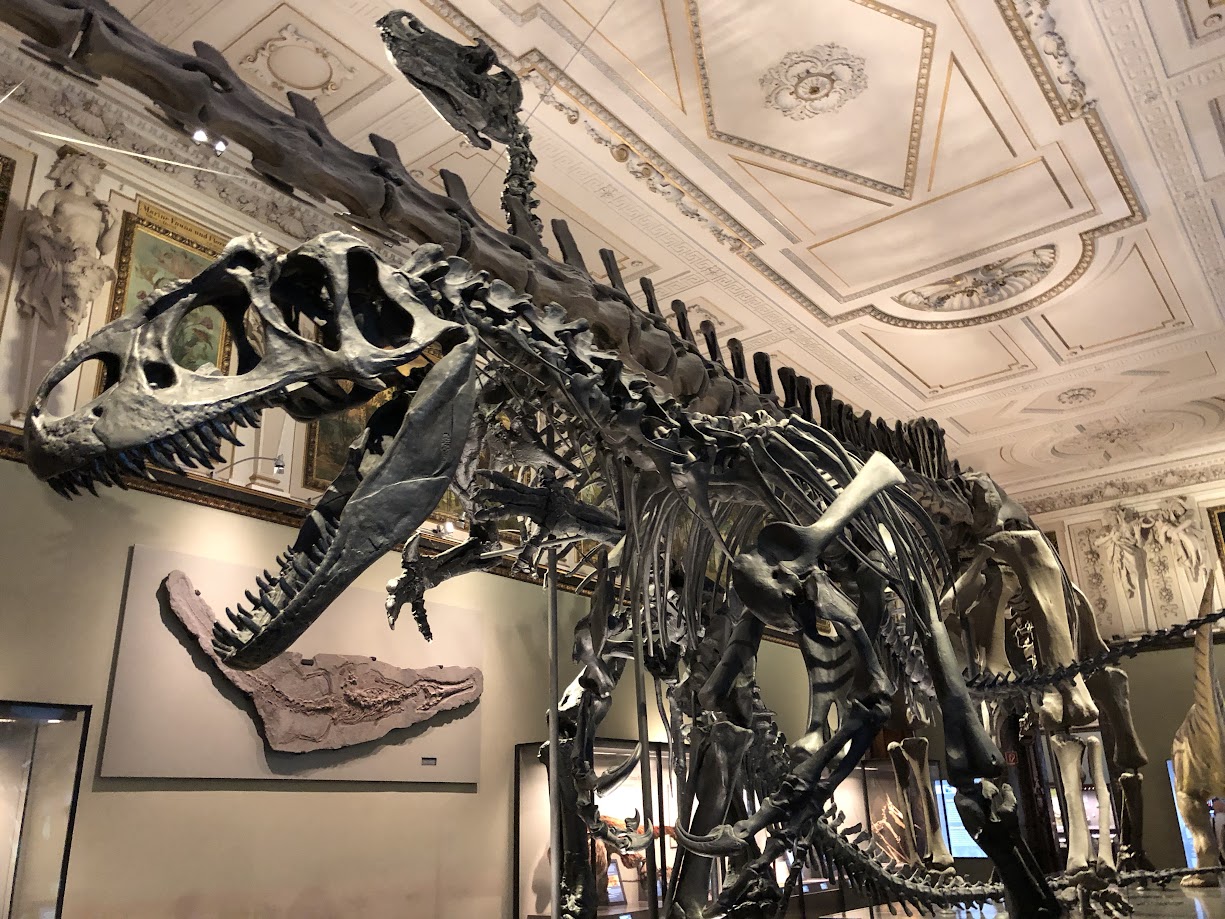
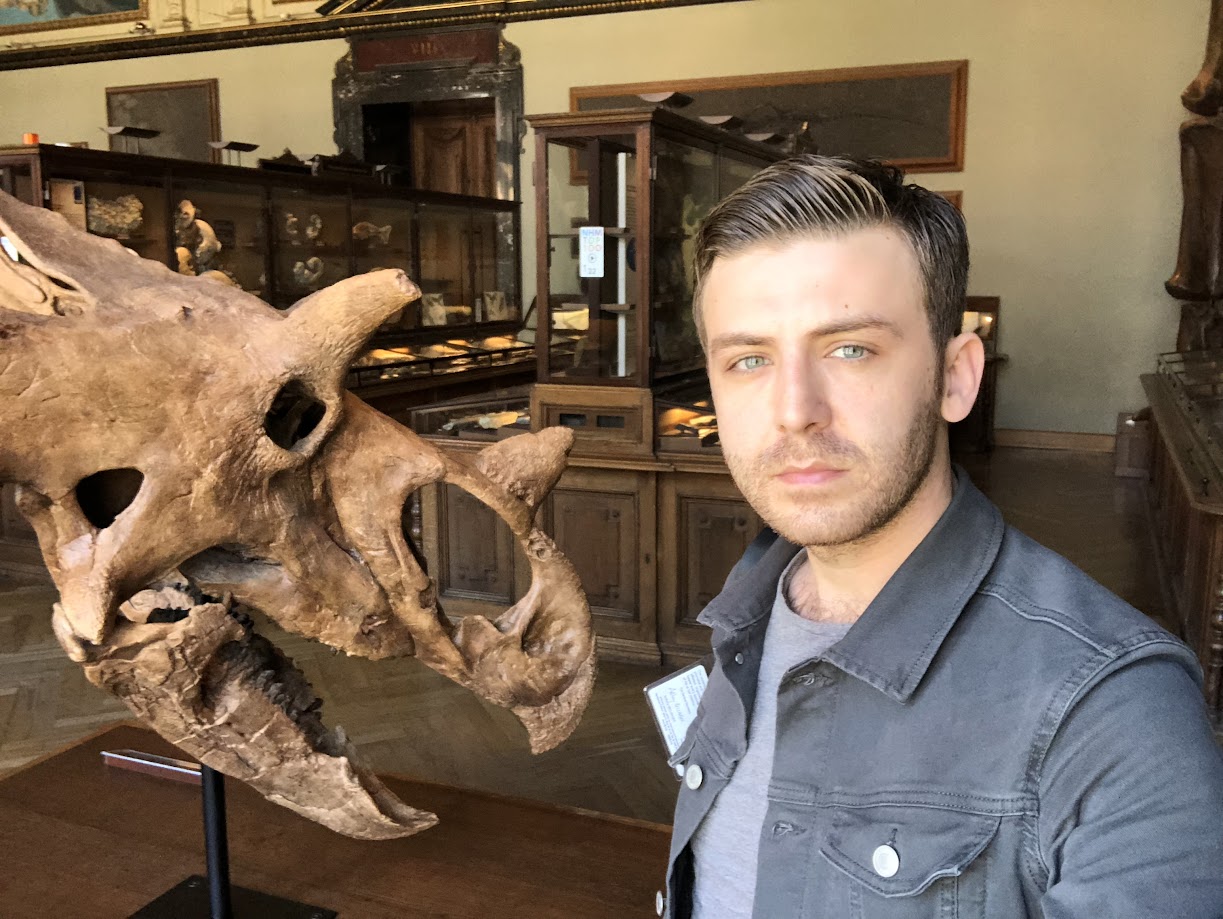
Something else caught my eye in the dinosaur section: apparently these skeletons used to be displayed in a much more upright, reptile-like position. As science advanced, the setups were updated. So in a way, what you’re looking at isn’t just bones it’s the evolution of human knowledge.
One more thing worth mentioning: some animal remains were preserved inside glaciers, which makes them feel far more real than fossils. A fossil is abstract. But a frozen specimen feels like time has literally been stopped right in front of you.
Right across the square, the Kunsthistorisches Museum is a completely different world.
The moment you step inside, you’re in a palace. The domed hall, the marble details the building itself is a work of art before you even look at a single painting.
As for the collection: the museum is home to one of the most significant concentrations of Pieter Bruegel the Elder’s work anywhere in the world. Standing in front of those paintings for minutes at a time is perfectly normal every time you look, you catch a new detail. Village weddings, children playing, dense crowded scenes… there’s this meticulous yet vibrant storytelling in all of them. Caravaggio and Raphael are here too. Every painting feels less like a picture and more like a small window into the soul of its era.
Visiting these two museums back to back is a genuinely special experience. Nature and science on one side, human creativity and history on the other. The fact that Vienna placed them facing each other on the same square I don’t think that’s a coincidence.
 English
  Turkish
  Spanish
  German
  French
  Russian
  Vietnamese
  Thai
Thai  Korean
  Japanese
  Kurdish
  Chinese